
Teen Texting and Driving Dangers
<p><em>By Barbara Bessette, CPS</em></p>
<p>Driving marks an important step toward independence for your child, but it also exposes teens to serious risks, one of the most dangerous being texting while driving. Despite widespread awareness campaigns, texting and driving remains a leading cause of accidents among young drivers. Understanding why teens take this risk, the actual dangers it poses, and what parents can do to prevent it is key to keeping teens safe. Teenagers today are the first generation to grow up fully immersed in smartphones and constant digital communication. For many of them, the phone is not just a tool; it is a lifeline to their social world. This constant connection creates several pressures and habits that make distracted driving more likely.</p>
<p>Teens often feel a strong obligation to respond immediately to messages. A notification can trigger anxiety or fear of missing out, making it harder for them to ignore their phones, even when driving. Many teens believe they can multitask successfully. They may think that quickly glancing at a text is harmless, especially if they’ve done it before without a negative consequence. Checking the phone can be an automatic habit. Without intentional boundaries, many teens reach for their devices without fully realizing what they’re doing.</p>
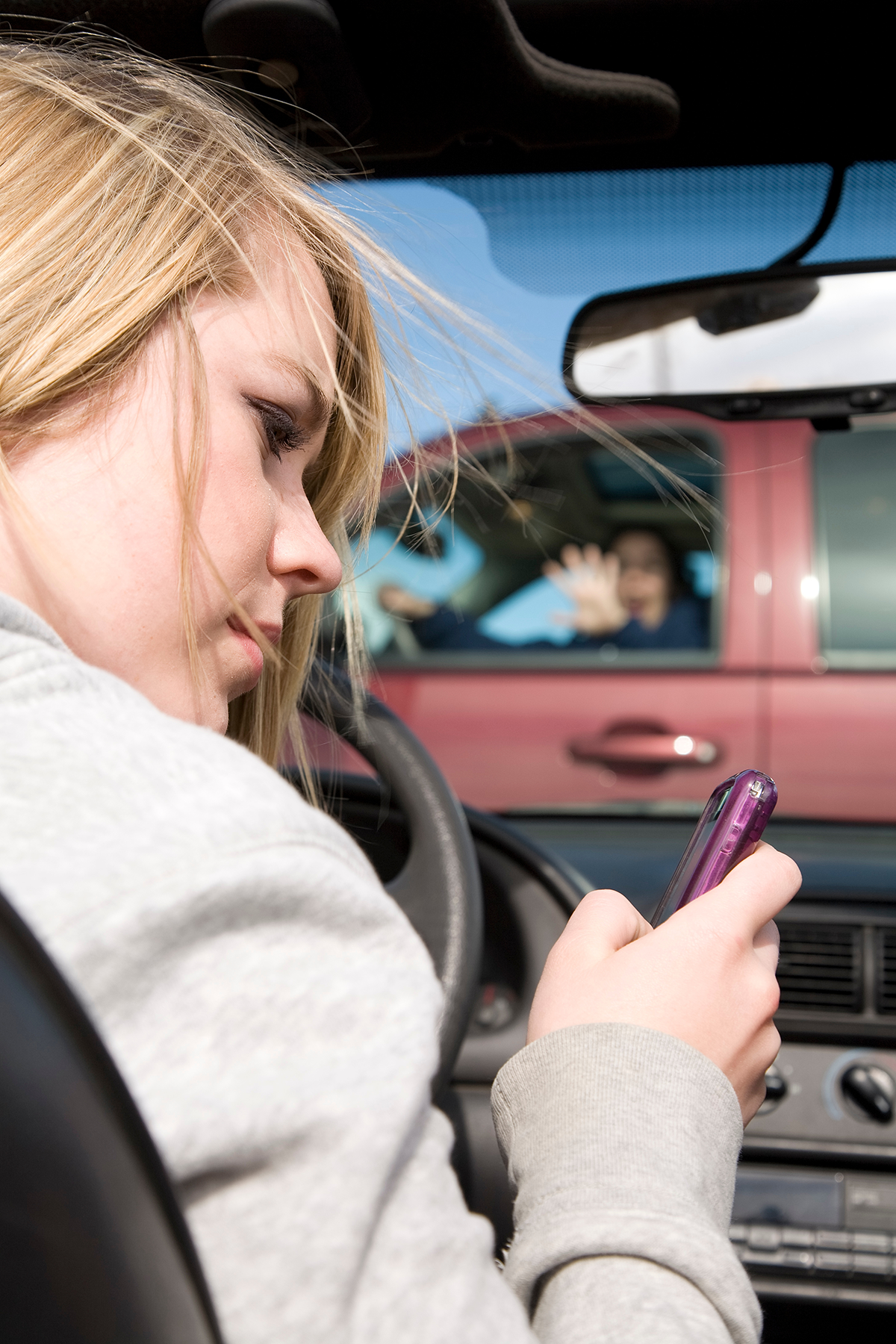
<p>Texting while driving is uniquely dangerous because it combines three types of distraction: visual, manual, and cognitive. A driver takes their eyes off the road, hands off the wheel, and mind off the task of driving. Even a momentary glance away can have severe consequences. At 55 mph, looking down for just five seconds means traveling the length of a football field without paying attention to the road. For inexperienced drivers, that can be catastrophic. Teens already have slower reaction times and less practice in anticipating hazards. Add a phone into the mix, and the risk of a collision skyrockets. Studies consistently show that texting while driving increases the likelihood of a crash far more than many other risky behaviors.</p>
<p>Beyond the immediate threat of injury or death, texting and driving can also lead to long-term consequences. Teens may face fines, license restrictions, or high insurance premiums. Even when no one is hurt, the emotional stress of causing a crash can be devastating. Many young drivers only understand the severity of distracted driving after a frightening incident occurs.</p>
<p>Parents have more influence on their teens than they think. Consistent communication, strong expectations, and a good example can significantly reduce the likelihood of distracted driving. Parents cannot expect teens to ignore their phones while driving if they do not do the same. Even checking messages at red lights or during slow traffic sends the wrong message. Set an example for your teen by putting your phone away and turning off notifications before you start driving. Teens are far more likely to follow rules they see modeled consistently.</p>
<p>Establishing a written family driving agreement can be highly effective. List expectations like:</p>
<ul>
<li>No texting, calling, or using social media while driving.</li>
<li>Phones should remain in the glove box, center console, or back seat.</li>
<li>If a message is urgent, the driver must pull over before responding.</li>
</ul>
<p>Be firm and consistent in enforcing consequences when rules are broken. Losing driving privileges, reduced screen time, or parental monitoring apps can help reinforce expectations.</p>
<p>Smartphones and vehicles now include features designed to reduce distracted driving. “Do Not Disturb While Driving” modes can silence notifications and send automatic replies. Some apps alert parents if the phone is used while the vehicle is moving. Many newer cars also offer teen-driver settings that block certain functions altogether. These tools aren’t perfect, but they significantly reduce temptation.</p>
<p>Have an open and honest talk with your teen about the risks of texting while driving. Ask about their phone-related pressures and note that ignoring messages is challenging. Share real-life stories or news articles to help them understand why the rules exist. Encourage them to speak up when riding with peers who are texting and driving, because their voice could save a life.</p>
<p>Texting while driving is a serious threat to teen safety, but parents have the power to make a meaningful difference. By modeling safe behavior, setting clear guidelines, utilizing technology effectively, and maintaining open communication, parents can help their teens develop responsible driving habits. Preventing distracted driving isn’t about restricting independence. It’s about protecting the lives and futures of the young people we care about most.</p>